Year-long Project will Culminate at the Richmond Folk Festival
Virginia Humanities, Virginia’s state humanities council, is partnering with five community dance groups for “Dance Revolution,” a year-long program resulting in a video podcast mini-series and culminating at the 2026 Richmond Folk Festival.
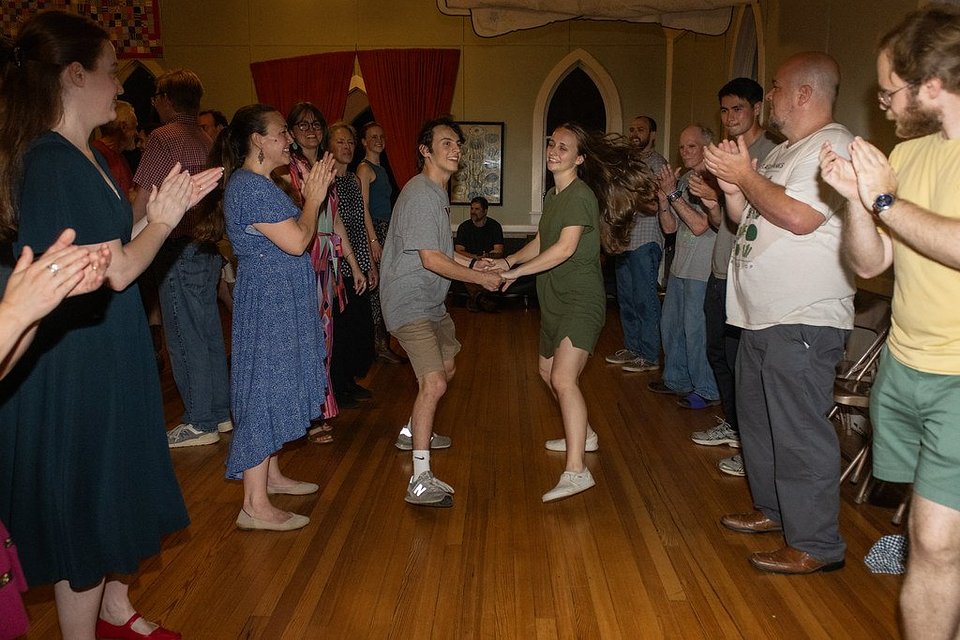
By exploring the power of social dance, this project demonstrates how dance is a democratic art form and considers how Virginians can step into the future, together.
“Dance Revolution” is part of By the People: Conversations Beyond 250, an initiative developed by the Federation of State Humanities Councils and the Smithsonian Center for Folklife and Cultural Heritage in recognition of the 250th anniversary of the American Revolution. Programs from 51 participating humanities councils will take place from January to August 2026.
“Moving together, with joy, might be just exactly the revolution we need now,” says Katy Clune, Virginia state folklorist. “Dance has a long history in Virginia and it remains an important part of our individual wellness and community celebrations.”
As Virginia evolved, so did its dance floor. Thousands of years before there was the “Virginia Reel” contra dance, Indigenous Virginians organized their communities around dance grounds. In the 1800s, Virginians danced jigs and reels to music that blended traditions from West Africa and the British Isles. As people from other states, territories, and countries made Virginia their home, they introduced new dance and music traditions, that have continued to evolve into the modern dance forms we see today.
Moving together, with joy, might be just exactly the revolution we need now.
Katy Clune
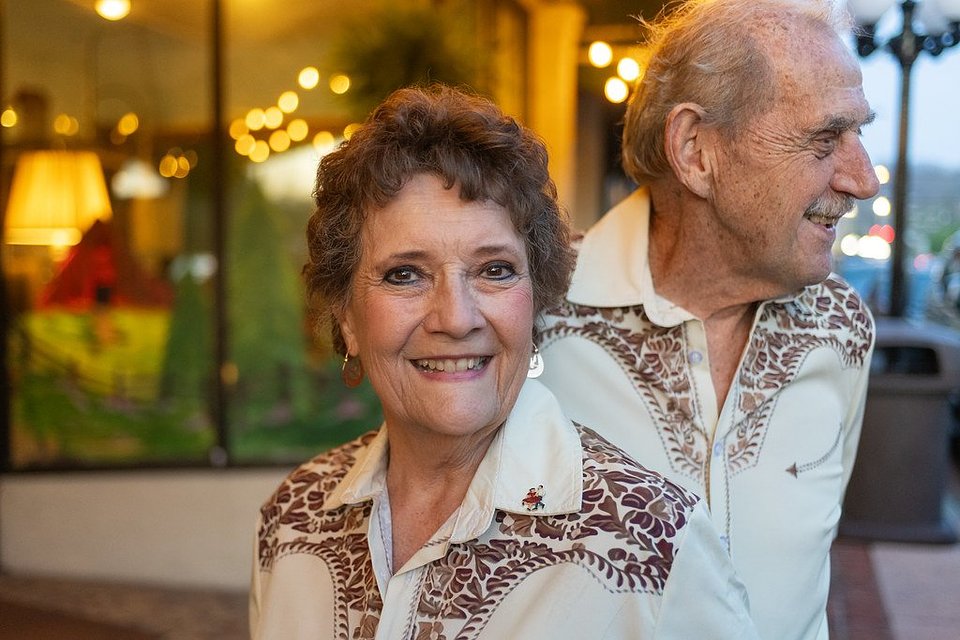
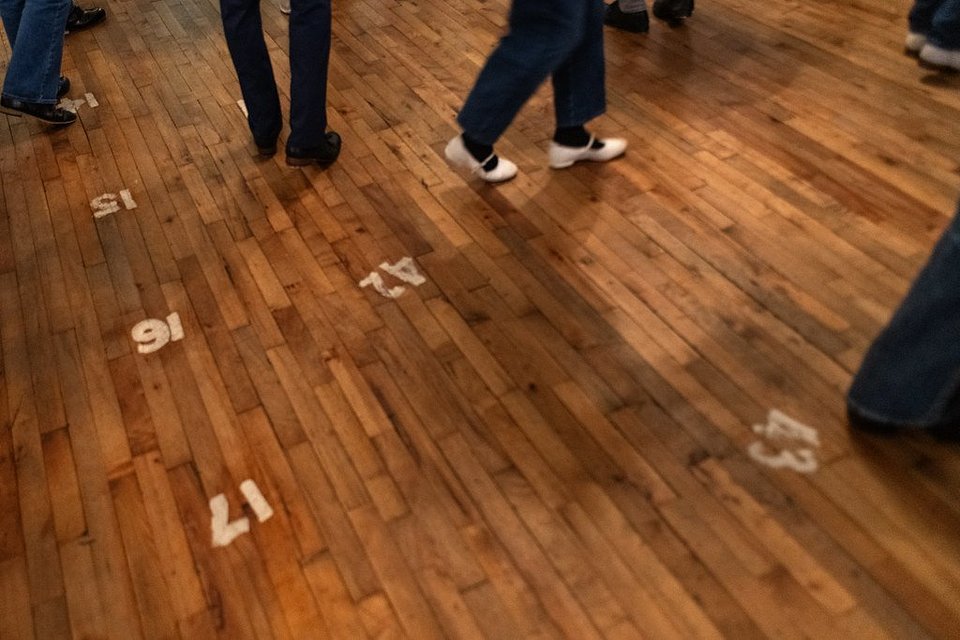
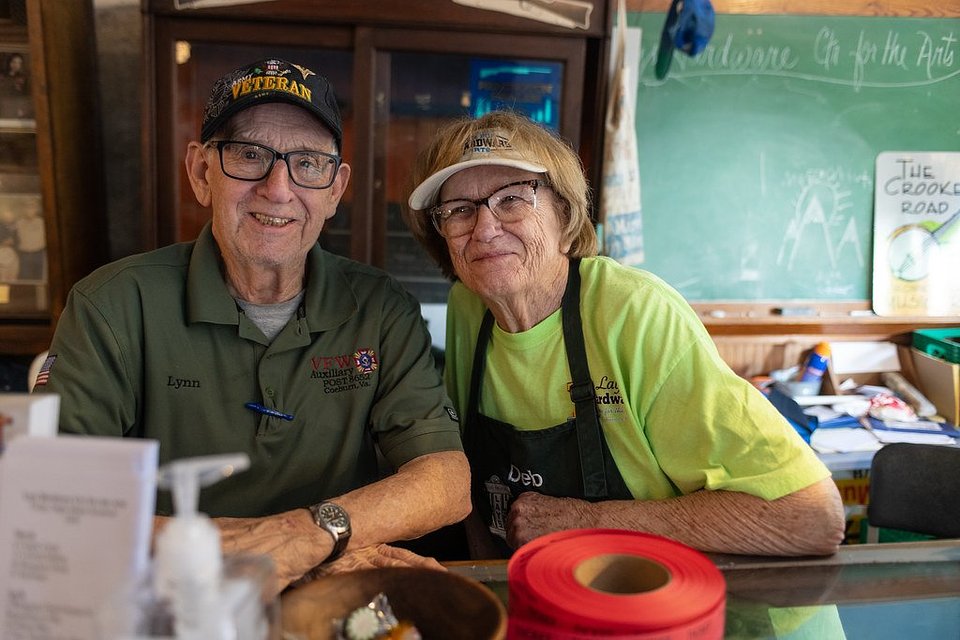
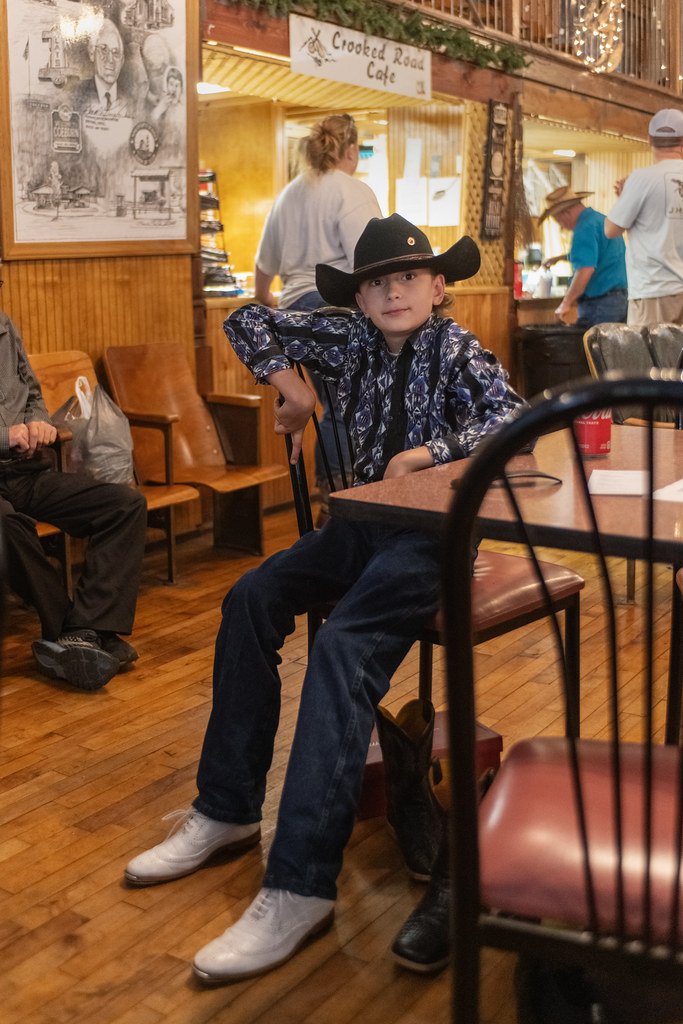
“Whether classical or folk, dance reflects the spirit of a community.” says Sudha Krishnamurthy, artistic director at the Thapasya School of Dance in Ashburn. ”Bharatanatyam preserves centuries of storytelling, and it is a privilege to share this tradition alongside other cultures that celebrate their heritage through movement.” For “Dance Revolution,” Virginia Folklife has partnered with five distinct dance groups, including the Thapasya School of Dance. Each tradition reveals a different cultural history:
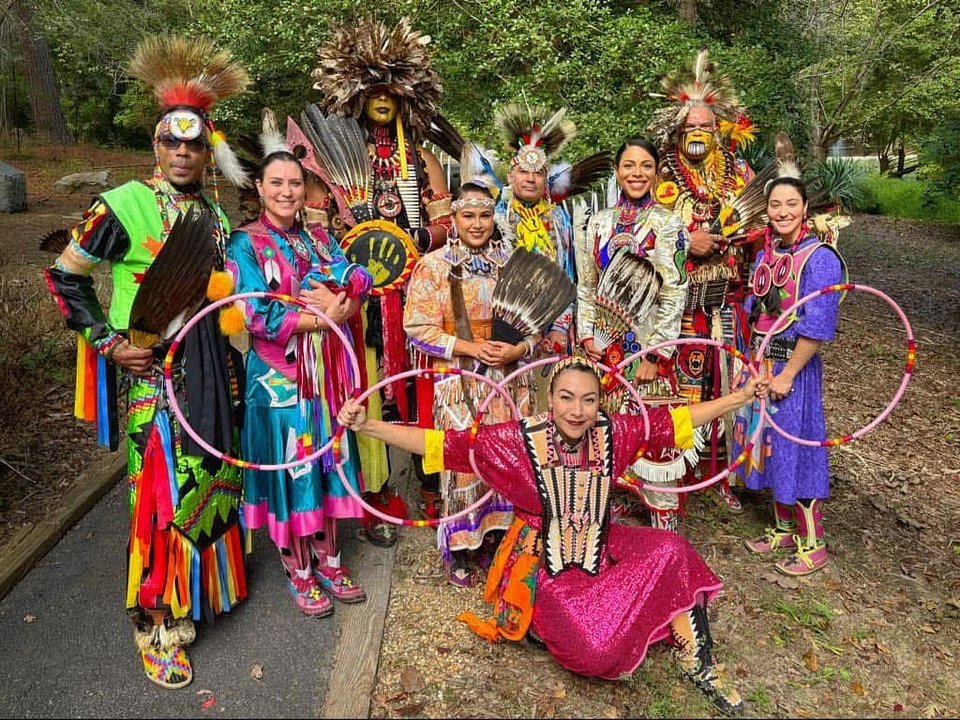
- Native American dance with Red Crook-ed Sky (Intertribal, Hampton Roads)
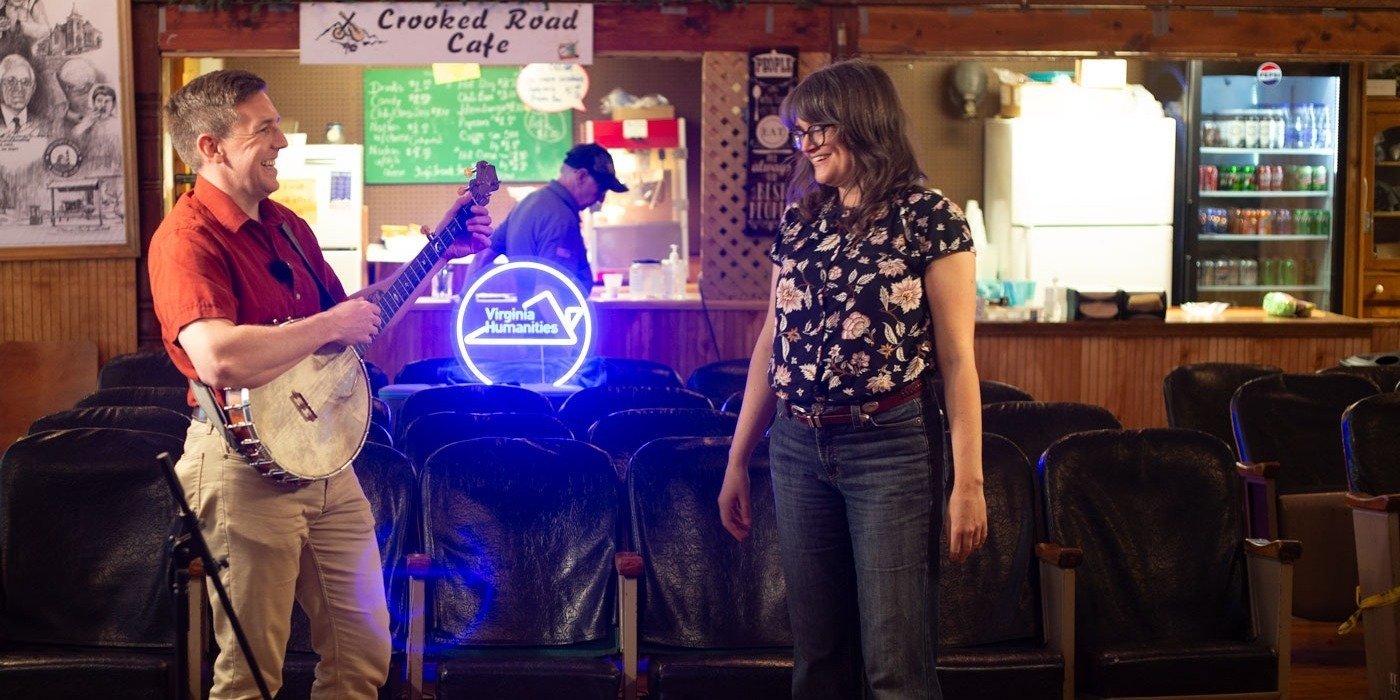
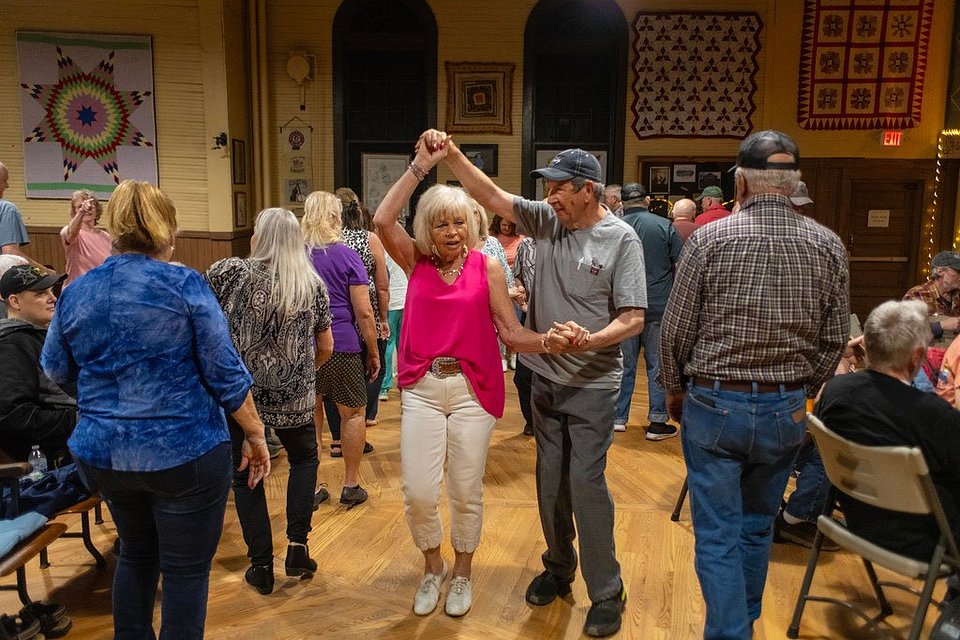
- Flatfoot, clogging and square dance with The Crooked Road: Virginia’s Heritage Music Trail (Fries, Coeburn, and Blacksburg)
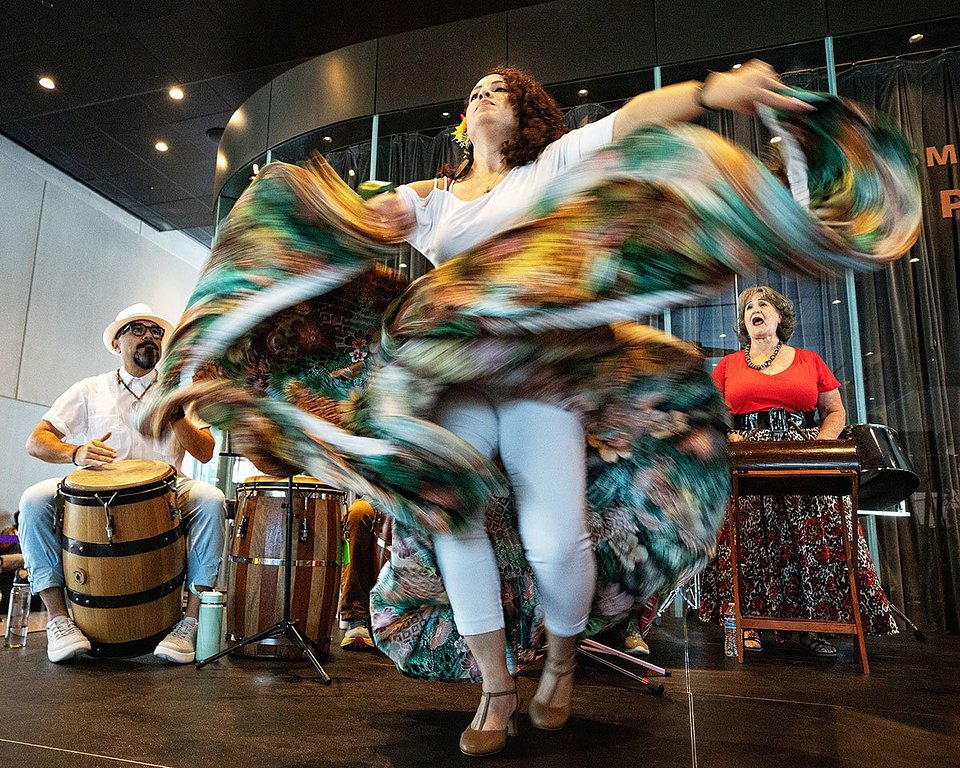
- Puerto Rican bomba and plena dance with Semilla Cultural (Fredericksburg)
- Soul line dance with Positive Force Line Steppaz (Buckingham County)
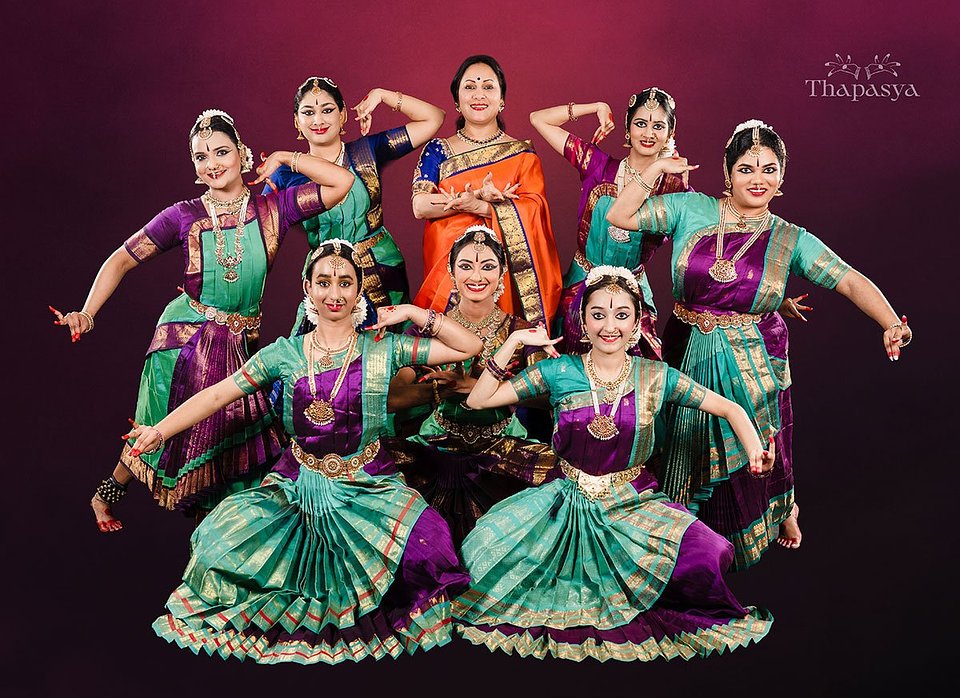
- Bharatanatyam, South Indian classical dance with Thapasya School of Dance (Ashburn)
Each partner will co-produce an episode of In Common, a new flagship video podcast produced by Virginia Humanities that will premiere this summer.
“Dance Revolution” episodes will feature conversations, footage from community dances, as well as fun tutorials by master dancers. Through in-depth conversation, these Virginian dancers are discovering overlapping influences and surprising footwork and rhythm connections.
The first “Dance Revolution” episode of In Common will air in September 2026 on YouTube and podcast platforms. Episodes will also be archived at the Smithsonian Institution, Center for Folklife and Cultural Heritage, Ralph Rinzler Folklife Archives and Collections. Virginia Humanities will produce additional dance-related educational resources, including an Encyclopedia Virginia entry on the history of square dance in Virginia, and in 2027, a learning experience for K-12 educators.
As a culmination of this year-long initiative, on October 10 and 11, the Virginia Folklife Program will invite the five partner dance groups to present “Dance Revolution” in the Virginia Folklife Area of the Richmond Folk Festival. The dance groups, together with other special guests, will offer workshops, performances, conversations as well as spontaneous cross-cultural experiments in moving together to music.
About the Dance Partners
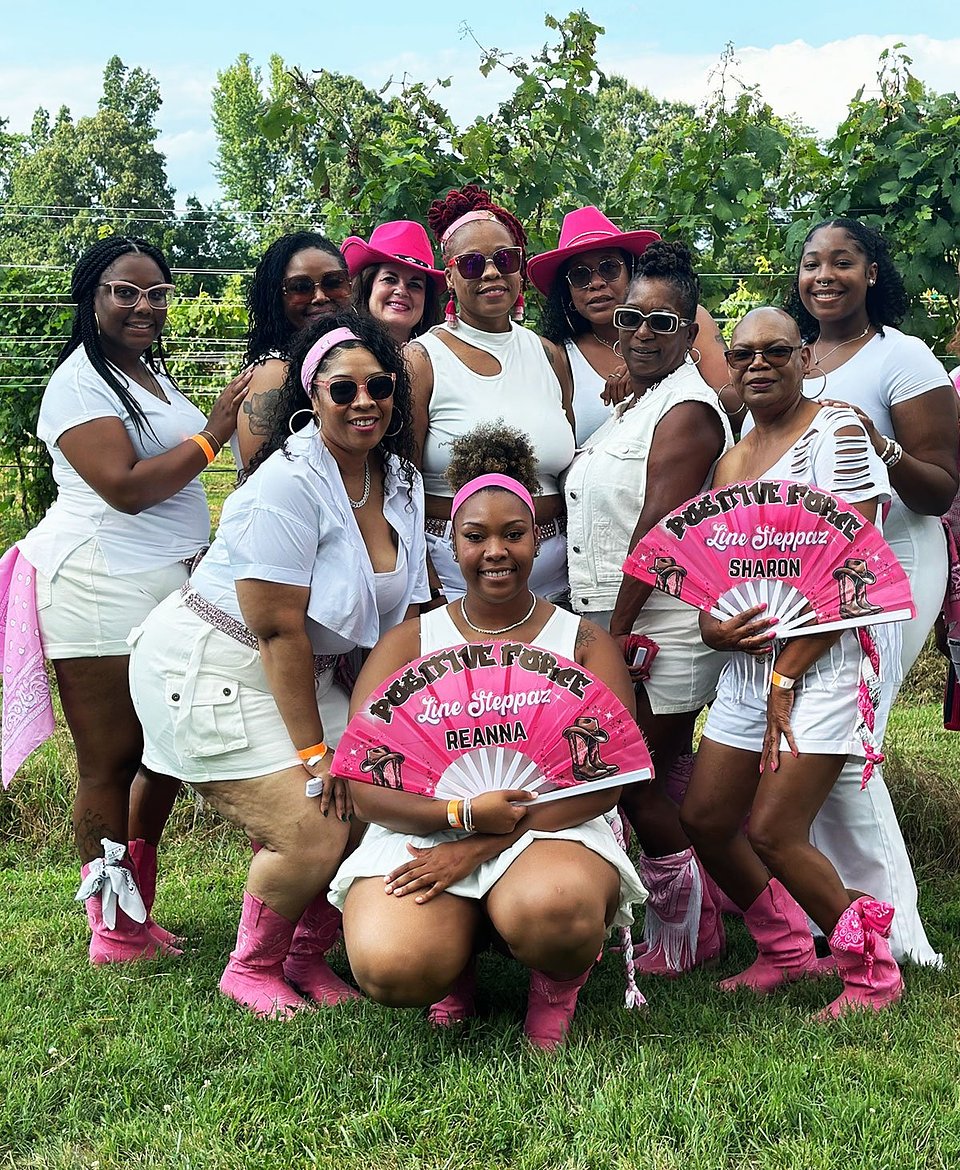
Positive Force Line Steppaz (Buckingham County)
Soul line dancing features choreographed steps, like the electric slide, set to soul, R&B, hip-hop, Go-Go, and gospel music and has grown in popularity since the 1990s in African American communities. Like western-style line dancing set to country music, no partner is required. Soul line dances are part of wedding and family reunion celebrations, and also a popular fitness option for all ages. 803Fresh’s “Boots on the Ground” song, music video, and TikTok challenge made soul line dancing newly popular after its release in 2025. Fonseca Holman is the founder of Positive Force Line Steppaz, established in 2014 and rebranded in 2025. Fonseca’s choreography is popular online — her routine to “Too Long” by King George has gained over 7 million views on YouTube. She also produces step-by-step instructional content for dances like “Backbone Slip” and “Pep in Your Step,” and is certified in Zumba, Step, and group fitness.
Red Crooked Sky (Hampton Roads)
Red Crooked Sky is a Native American dance troupe founded by Keith F. Anderson, chief of the Nansemond Nation, nearly twenty years ago.Today, Red Crooked Sky is considered Virginia’s premier indigenous dance organization. Its members have included dancers from over forty different tribes across the US and Canada, including Nansemond, Chickahominy, Lumbee, Lakota, Cree, and Haliwa Saponi. The group has performed at venues across the country, including Washington, D.C.’s John F. Kennedy Center, and participates in yearly powwows and indigenous festivals.
The Crooked Road: Virginia’s Heritage Music Trail
The Crooked Road is a 330-mile driving trail through the mountains of Southwest Virginia that connects 10 major venues and over 40 affiliated venues and festivals. The Crooked Road is also a non-profit organization founded in 2004 whose mission is to support economic development in Southwest Virginia by promoting this region’s rich heritage of traditional music. When you find live music along the Crooked Road, there is bound to also be dancing: Flatfooting, square dance, clogging, and — of course — individual improvised steps drawing from all of these. Tyler Hughes, Crooked Road executive director (and musician, square dance caller, and dancer) together with Gina Dilg, flatfoot dancer, fiddler, and graphic designer (Square Dance Agency) partnered with Virginia Folklife to uplift 3 regional dances: the Thursday-night jam at the Historic Theater in Fries, the Friday-night dance at Lay’s Hardware Center for the Arts in Coeburn, and the Blacksburg square dance, held monthly, first Saturdays, May through October.
Semilla Cultural (Fredericksburg)
Semilla Cultural is a non-profit organization based in Fredericksburg that cultivates Puerto Rican arts and culture in the wider DMV area. It was co-founded by Isha M Renta López in 2014, and led by a team of volunteers committed to preserving and disseminating the Puerto Rican cultural legacy.Semilla Cultural teaches and performs the Afro-Puerto Rican musical genre of bomba, and increasingly, plena, following the popularity of Bad Bunny’s recordings in the tradition. Enslaved West Africans on Puerto Rico’s sugar plantations created the foundation of bomba in the 17th century, and the art form continues to develop, transform, and connect the island to its African heritage today. Bomba is defined by its dances, songs, and percussion, including barriles de bomba (drums originally made from rum barrels), a maraca, and the cuás (a pair of wood sticks). The drum was also used to send messages between communities planning their escape from enslavement.
Thapasya School of Dance (Ashburn)
The Thapasya School of Dance, founded in 2014 by artistic director Sudha Krishnamurthy, is dedicated to Bharatanatyam, one of India’s foremost classical dance forms. Bharatanatyam is celebrated for its sculptural geometry, expressive storytelling, and intricate rhythmic footwork.With decades of dedicated training, Sudha is committed to preserving the integrity of this ancient art form while presenting it in ways that resonate with contemporary audiences. In 2023, she was honored by the Malar Cultural Association of India with the title “Narthanashree Mala” in recognition of her outstanding contributions to choreography. Through her teaching and creative work, she continues to inspire the next generation, bridging the traditions of the past with the aspirations of the future. Thapasya serves students as young as five through to adults in Northern Virginia’s and broader DC region’s growing Indian community, helping them develop both artistic skill and a deeper appreciation for India’s rich cultural heritage.
About By the People
“Dance Revolution,” together with national By the People: Conversations Beyond 250 programs explore 250 years of the nation’s cultural life and imagine its shared future. The initiative was developed by the Federation of State Humanities Councils and the Smithsonian Center for Folklife and Cultural Heritage (the Center), which also produces the annual Smithsonian Folklife Festival in Washington, D.C. Explore the Center’s interactive StoryMap to see events and content from around the United States and in your community. Explore the map →
About Virginia Humanities
Virginia Humanities is the state humanities council. We aim to tell the stories of all Virginians—or, better yet, find ways for people to tell their own stories. We want Virginians to connect with their history and culture and, in doing that, we hope we will all better understand each other. Virginia Humanities is headquartered in Charlottesville at the University of Virginia, but our work covers the Commonwealth. Founded in 1974, we are one of fifty-six humanities councils created by Congress with money and support from the National Endowment for the Humanities to make the humanities available to all Americans. To learn more visit VirginiaHumanities.org.
This project is an initiative of: